Spring / Summer
As we move into spring, we hope for warmer and drier weather. But remember to check the forecast before your visit so that you are prepared for the conditions on the day. The weather can change quickly on the maunga so it's best to be prepared for all conditions.
While most of the tracks are shaded by the canopy, there is a bit of a walk to get into Te Tūī a Tāne (the Southern Enclosure) so a hat and sunscreen are always a good idea. And don't forget your water bottle so that you can stay hydrated (if you do forget don't worry, we've got you covered... you can buy a reusable Sanctuary Mountain Maungatautari water bottle from the Visitor Centre).
If you're heading out on a Wetland Tour it's worth noting that you will be out in the open for most of your time there.
Spring is a time of new growth. It also means the arrival of pipiwharauroa/shining cuckoo. These native brood parasites head off to the Solomon Islands and New Guinea over winter, but the change in weather means time to head back to Aotearoa. Listen out for their distinctive call which sounds like a slide whistle (mostly going up in pitch when they first arrive).
Another sign that spring has sprung is the appearance of puawananga/clematis flowers. This vine produces beautiful white flowers. Look up into the canopy to see if you can spot a patch (or look on the ground for some fallen clues).
By October the kowhai trees are usually well and truly flowering. Check out the specimens by the Education Centre and next to the bioloos. These rakau are often packed with tui.
Another tree that flowers in spring is kotukutuku/tree fuchsia. One of only a handful of deciduous trees in Aotearoa, look out for the bright flowers transitioning from green to red to deep purple. A great spot for seeing these are down by the bridge that can be accessed on the Rata Track. The flakey, papery bark is another giveaway of kotukutuku.
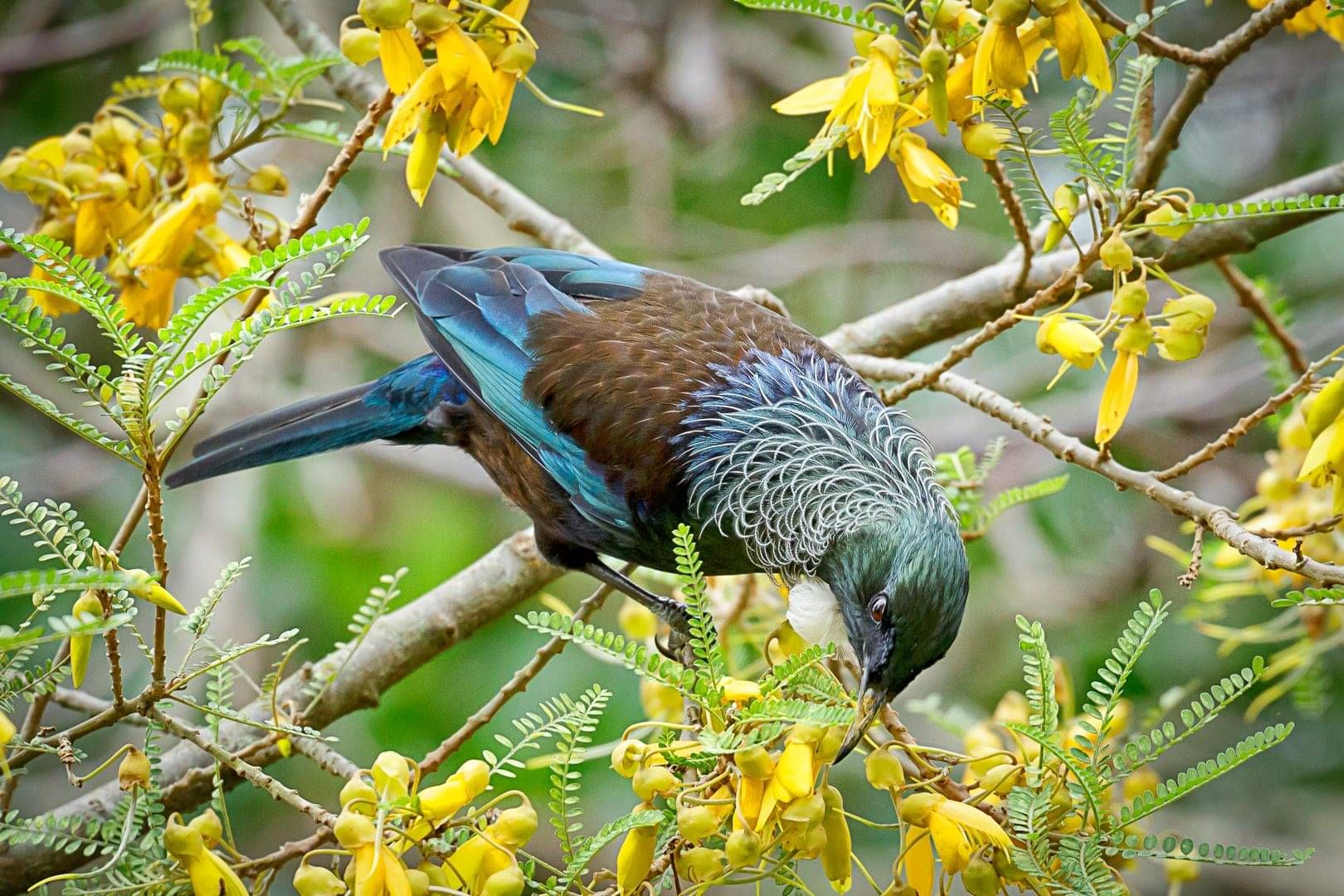
Tui in kowhai. Photo: Kevin Krippner
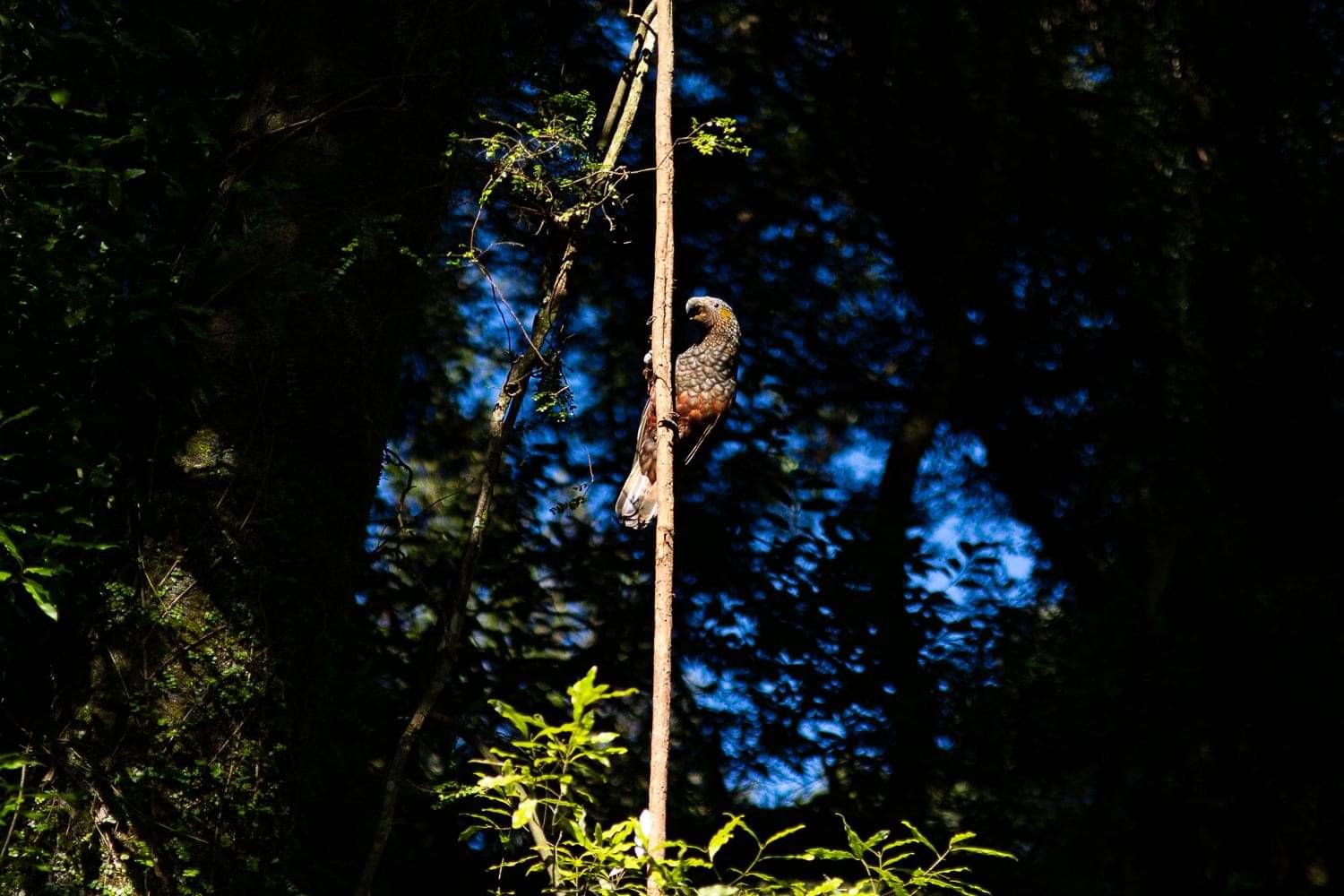
Kaka on a rata vine. Photo: Lucy Schultz
From November keep an eye out for rewarewa flowers on the ground. Red tepals coil back into spirals to reveal yellow pollen-covered tips on this alien-like flower. They are a favourite of kaka who you might see at the top of the tower snacking on the flowers (and also snipping them off and making a right mess on the floor).
Speaking of our parrot friends, the kaka are a lot more conspicuous in the spring and summer months. Definitely take some time out to sit down in the clearing where you may well be visited by multiple kaka (just remember you can't feed them/let them steal your kai).
In summer you'll come across a raft of purple, grape-sized tawa fruit on the tracks. Head up the tower if you'd like to see some still on the trees. If you're lucky you might encounter a kereru snacking away on them. Other fruit you might encounter in this season includes porokaiwhiri/pigeonwood (small orange fruit). As both names suggest (poro=pigeon, kai=food, whiri=to gather) they are another favourite of kereru.
If you're venturing on the OTM track you might get high enough to see the beautiful white tawari flowers.
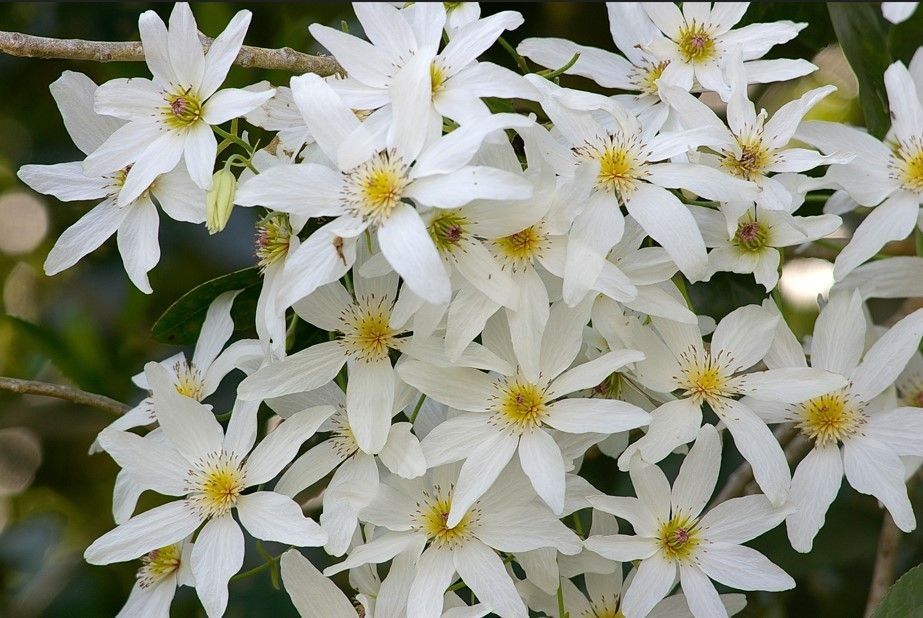
Puawananga/clematis
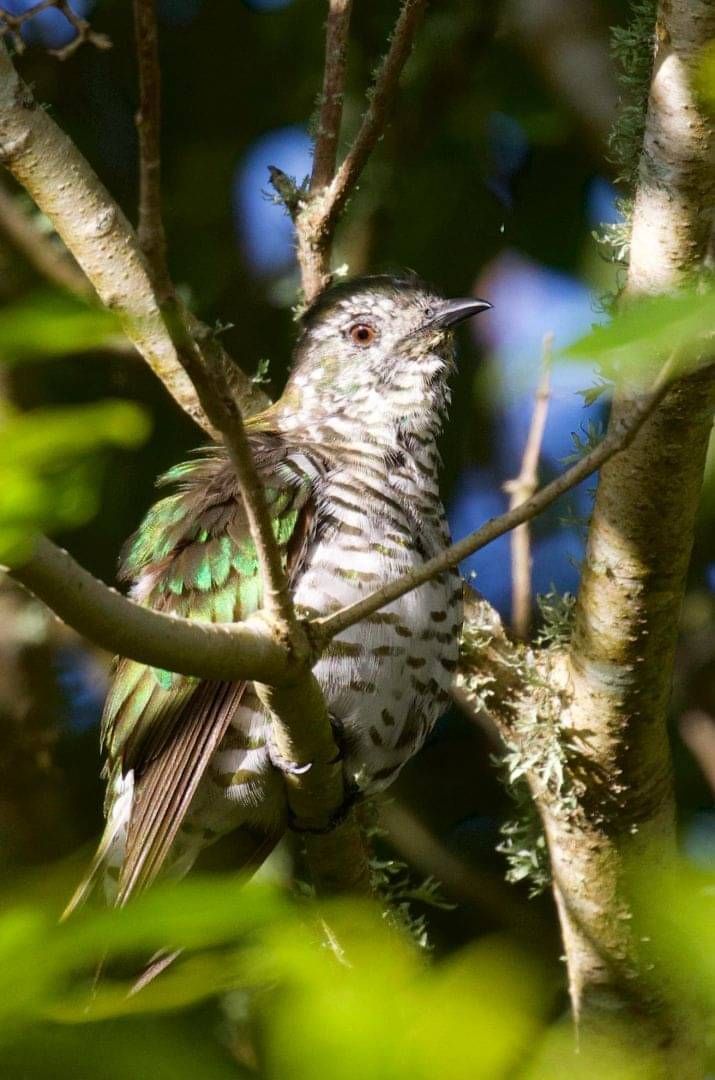
Pipiwharauroa/shining cuckoo. Photo: Tania Wilkinson
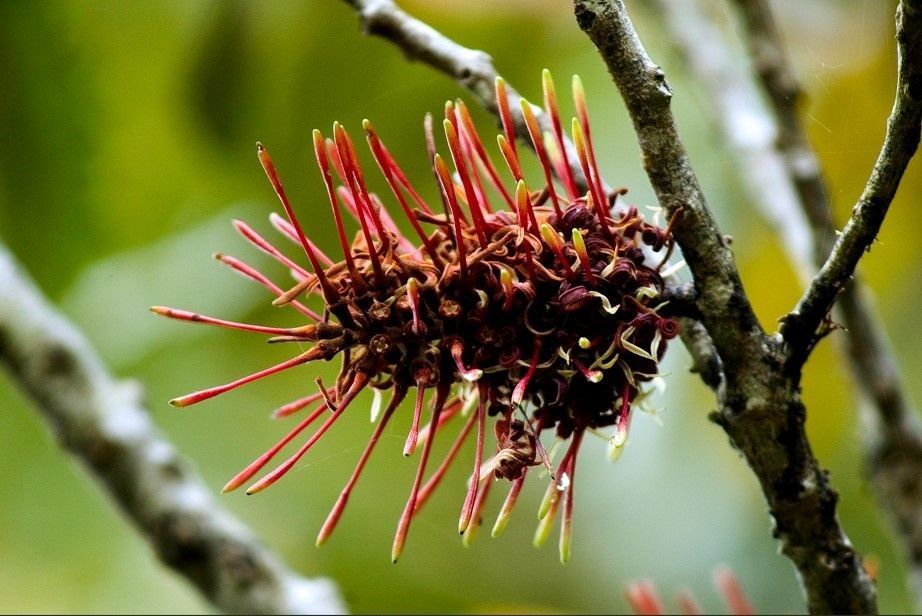
Rewarewa flower