H5 bird flu (H5N1 avian influenza) has been detected in Wellington. Biosecurity New Zealand is urging everyone to stay alert and take simple precautions to help protect wildlife, communities, and native species.
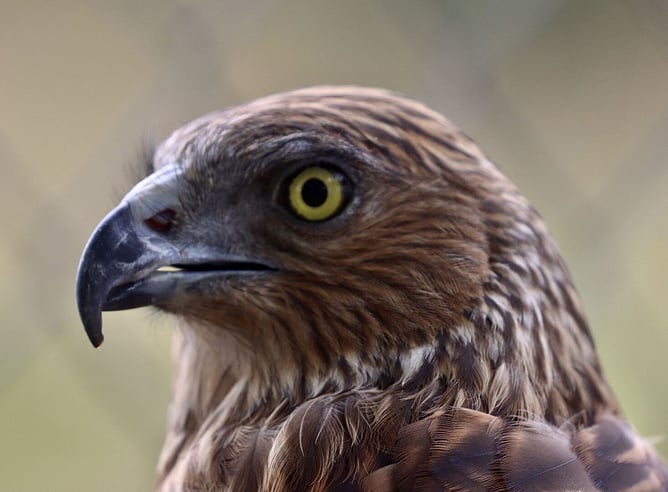
H5 bird flu (HPAI H5N1) has been confirmed in the Wellington region, after an ocean-going brown skua found in Petone tested positive for the virus. Days later, a kahu (Australasian harrier) in Wairarapa was also confirmed to be infected.
At Sanctuary Mountain Maungatautari, we have been preparing for this scenario for the past 18 months. Our response plan has been developed in alignment with national guidelines and in partnership with mana whenua and builds on the strong biosecurity practices we already have in place. This plan is active, guiding how we protect our taonga species, as well as our staff, volunteers, visitors, community and supports wider conservation partners.
The good news: Sanctuary Mountain Maungatautari remains open for visitors.
What you can do:
Keep your distance: Please do not touch sick, injured, or dead wildlife, and do not bring sick or dead birds to Sanctuary Mountain Maungatautari as we do not have the facilities to care for them and they may pose risk to other wildlife at the sanctuary.
Keep clean: Wash your hands and clean your gear after being outdoors.
Inside the sanctuary: Report any sick, injured, or dead birds to our team, including their location and species if known.
Outside the sanctuary: Contact DOC on 0800 DOC HOT for sick or injured native birds. Report if you find three or more sick or dead wild birds together to the Exotic Pest and Disease Hotline on 0800 80 99 66.
You can also help by continuing to visit and support our conservation mahi.
Learn more about Bird Flu in New Zealand.