Proudly gifted by Ngāti Koroki Kahukura, Ngāti Hauā, Raukawa, and Waikato, kiwi cared for by Sanctuary Mountain Maungatautari have played a vital role in the return a number of the 250 birds now living in Wellington.
MEDIA RELEASE BY CAPITAL KIWI
28 April 2026
New Zealand Parliament hosts wild kiwi for first time in history
New Zealand’s parliament is a House of Representatives for a people who call themselves ‘Kiwi’. A live kiwi has never been inside that whare. Until tonight.
At the Beehive this evening, the Capital Kiwi Project celebrated the release of the 250th wild kiwi back into the hills surrounding the capital city, where they had been extinct for 150 years. The pōwhiri, attended by several hundred guests, welcomed the final tranche of kiwi to parliament before they were taken and released into the hills of Mākara, west of Wellington.
Capital Kiwi Project Founder, Paul Ward, said kiwi have a unique power to pull people together. Bringing the birds to the Beehive provided a unique, inclusive way to mark this milestone.
The Capital Kiwi Project is restoring a wild population of kiwi across 24,000 hectares of mostly private land around Wellington city. A 5,300-strong trap network covers farms, forestry, national power infrastructure, reserves, and suburban fringe over an area larger than Abel Tasman National Park. The network of traps represents a wide network of relationships, working together towards a common objective.
“This project has only succeeded by bringing people together around common ground: the guardianship of the bird that we name ourselves after. The project is a partnership of landowners, iwi and local communities: ‘kotahitanga kiwi’,” said Paul.
The birds represent collaboration with sanctuary source sites (Sanctuary Mountain Maungatautari, Taranaki kōhanga kiwi at Rotokare, Ōtorohanga Kiwi House), gifting iwi and kōhanga programmes. These relationships, and this work done by partners, has enabled us to re-wild our national symbol at pace and scale beyond fences. The Capital Kiwi Project area represents the largest addition of suitable, predator-controlled landscape to kiwi conservation.
“This new approach to conservation recognises that wide-ranging taonga species don’t respect property boundaries and nor do the predators that threaten them. Looking after manu in the wild – where they belong – requires leadership and collaboration at scale, from the ground up.
“The project demonstrates the possibities for nature in our peopled landscapes, when people are enabled as guardians. The success of kiwi in remaking their homes in the backyard of Wellington has far exceeded our wildest expectations,” said Paul.
“The key metric in our DOC permit to provide confidence that a wild population is viable is a chick survival rate of 30 per cent. The project has achieved over 90 per cent. A decade ago a herd of 300-plus kiwi wild on the western hills of Wellington was a scarcely imagineable dream.
“There is now a healthy, thriving and rapidly-growing wild Wellington kiwi population,” he said.
Paul said the 250th kiwi marked the end of the project’s first translocation permit. With a strong success record now behind it, he said the project was entering its next phase where opportunities for further taonga species to be restored to the landscape are well developed.
The ‘kotahitangi kiwi’ model has inspired other projects across the country and Capital Kiwi is actively supporting that work.
Paul Ward said that while species restoration projects needed to celebrate accomplishments, success must be measured over generations. He said project success to date must not cloud the truth that without pest control, the country’s wild kiwi populations remain in decline and on track for extinction.
He said the project’s results so far are an example of what’s possible when people come together around a clear, shared vision and get on with the work.
“That is our challenge to the people of New Zealand: kiwi are back home on these hills, and thriving, but across the country without help from us, almost every wild kiwi chick dies before it is big enough to fend off a stoat.
The future of kiwi, and our other taonga species, depends entirely on how much we value them. They are intrinisic to our sense of identity and belonging here; of what makes our people and our country so special – they are us. Aotearoa is their only home. They can thrive here, but it requires our commitment, investment and our action.
“If we can successfully bring wild kiwi home to our capital city after 150 years of extinction, what other challenges can we meet by working together?”
Jonathan Hill: 021 440 090
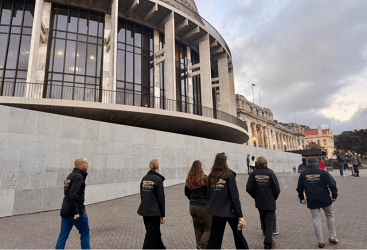
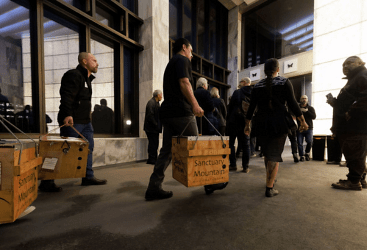
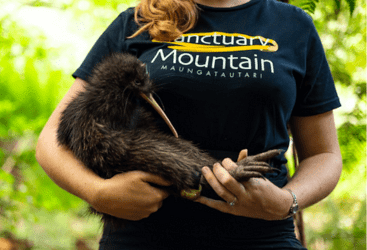
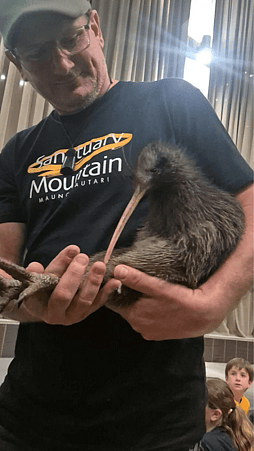
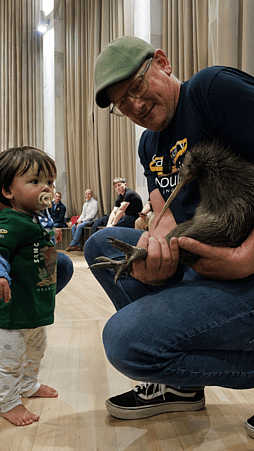
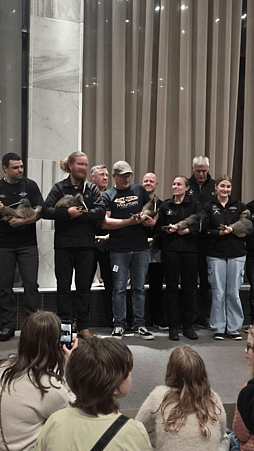
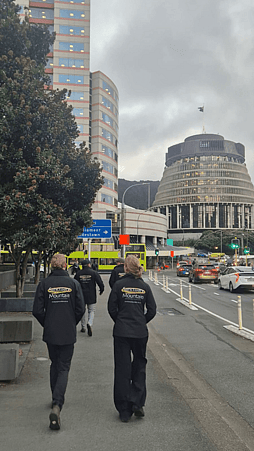
Photo credits: Lucy Schultz Photography, Sara Tansy and Emma Flynn
Posted by Tali Jellyman on May 06, 2026